
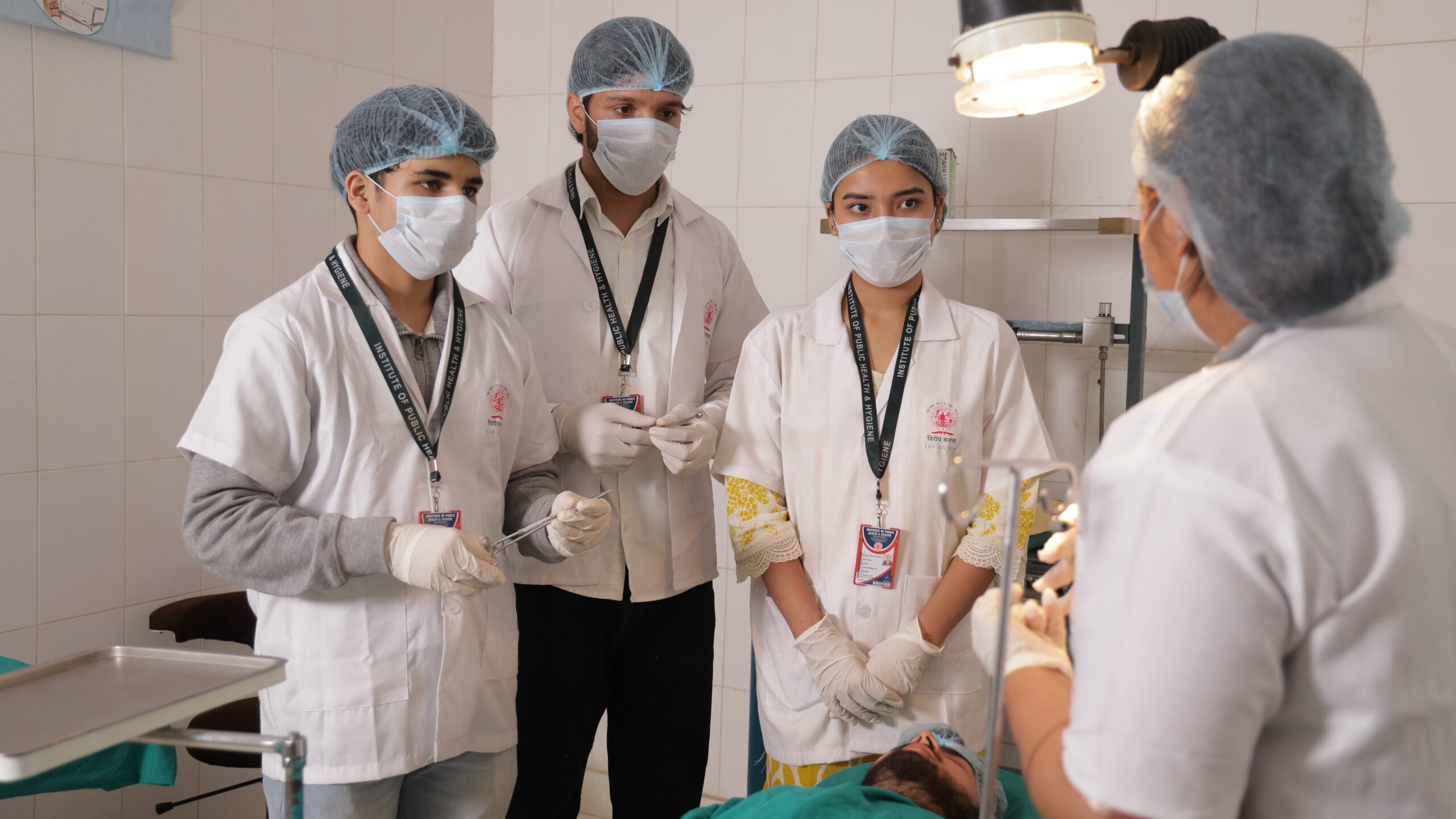
The field of Allied Health Sciences is rapidly evolving, redefining the future of modern healthcare systems.
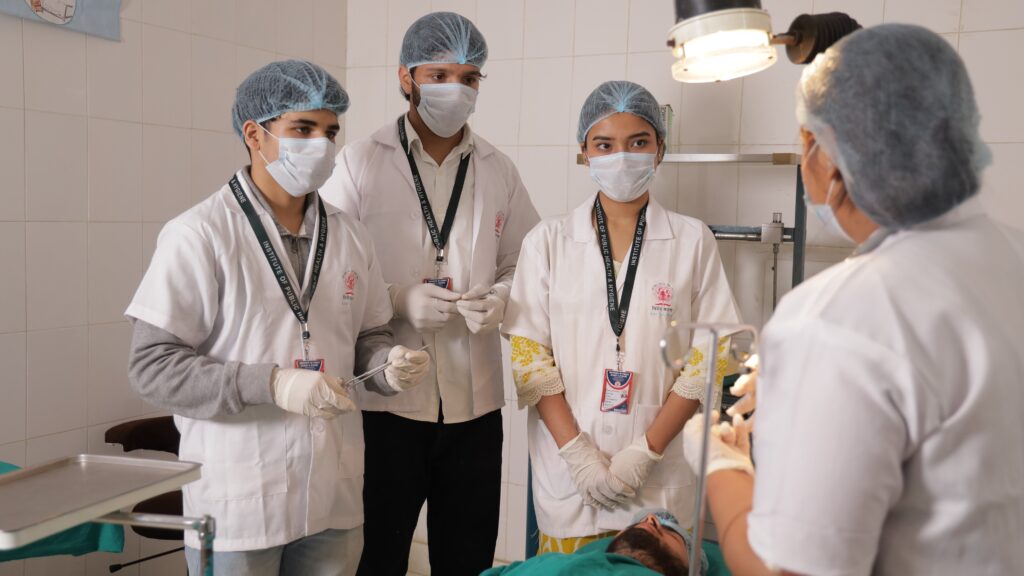
Today, Allied Health Sciences are no longer limited to supportive roles—they are central to diagnosis, treatment, rehabilitation, and preventive healthcare. At IPH&H New Delhi, we recognize that the advancement of Allied Health Sciences is critical for building a robust and accessible healthcare ecosystem. With growing global demand, Allied Health Sciences are creating new opportunities, expanding career pathways, and enhancing healthcare delivery standards.
What are Allied Health Sciences?
Allied Health Sciences encompass a wide range of healthcare disciplines that support medical professionals in delivering quality patient care. From diagnostics to rehabilitation, Allied Health Sciences professionals are trained to provide specialized services that improve patient outcomes and healthcare efficiency.
The importance of Allied Health Sciences has significantly increased in recent years due to advancements in medical technology and the rising need for skilled healthcare professionals.
Top Current Trends in Allied Health Sciences
1. Digital Transformation in Allied Health Sciences
The integration of digital technologies has revolutionized Allied Health Sciences. Tools such as artificial intelligence, telemedicine, and electronic health records are now essential components of healthcare delivery.
Professionals in Allied Health Sciences must adapt to:
AI-based diagnostics
Remote patient monitoring
Smart healthcare systems
This digital shift is making Allied Health Sciences more efficient, data-driven, and patient-centric.
2. Growing Importance of Preventive Healthcare
A major shift in Allied Health Sciences is the focus on preventive care rather than reactive treatment.Experts in Allied Health Sciences are actively involved in:
Health awareness campaigns
Early disease screening
Community healthcare programs
This trend highlights how Allied Health Sciences contribute to reducing disease burden and improving public health outcomes.
3. Expansion of Specialized Allied Health Sciences Courses
The scope of Allied Health Sciences is expanding with the introduction of new specialized fields, including:
Medical Laboratory Technology
Radiology & Imaging Technology
Operation Theatre Technology
Dialysis Technology
Respiratory Therapy
These advancements are making Allied Health Sciences a highly dynamic and career-oriented field.
4. Interdisciplinary Approach in Allied Health Sciences
Modern healthcare relies heavily on teamwork. Allied Health Sciences professionals now work alongside doctors and nurses as part of integrated healthcare teams.
This collaborative approach ensures:
Better patient outcomes
Efficient treatment planning
Holistic healthcare delivery
Thus, Allied Health Sciences are becoming indispensable in multidisciplinary care systems.
5. Global Demand for Allied Health Sciences Professionals
The demand for skilled professionals in Allied Health Sciences is growing not only in India but across the world.
With standardized training and certifications, graduates in Allied Health Sciences can explore opportunities in:
Hospitals and clinics
Research institutions
International healthcare organizations
This global demand is positioning Allied Health Sciences as a future-proof career option.
6. Skill-Based Learning in Allied Health Sciences
Practical training is now a cornerstone of Allied Health Sciences education. Employers prioritize hands-on experience and clinical exposure over theoretical knowledge alone.
At Institute of Public Health and Hygiene (IPHH) New Delhi, our Allied Health Sciences programs emphasize:
Clinical internships
Simulation-based training
Industry-oriented curriculum
This ensures students are job-ready from day one.
7. Role of Allied Health Sciences in Public Health Emergencies
The COVID-19 pandemic highlighted the importance of Allied Health Sciences in crisis management.
Professionals trained in Allied Health Sciences played a crucial role in:
Infection control
Emergency response
Patient care support
This has further strengthened the relevance of Allied Health Sciences in global healthcare systems.
Why Choose Allied Health Sciences as a Career?
Choosing a career in Allied Health Sciences offers:
High employability
Diverse specialization options
Opportunities for global exposure
Meaningful contribution to society
With continuous innovation, Allied Health Sciences remain one of the fastest-growing sectors in healthcare.
The future of healthcare is being shaped by the rapid advancements in Allied Health Sciences. As technology, specialization, and global demand continue to rise, Allied Health Sciences will play an even more significant role in ensuring quality healthcare delivery.
At IPH&H New Delhi, we are committed to excellence in Allied Health Sciences education, preparing skilled professionals who can meet the challenges of modern healthcare systems with competence and compassion.
Explore the latest trends in Allied Health Sciences, including digital healthcare, specialization, and global demand. Learn how IPH&H New Delhi prepares future-ready healthcare professionals.