
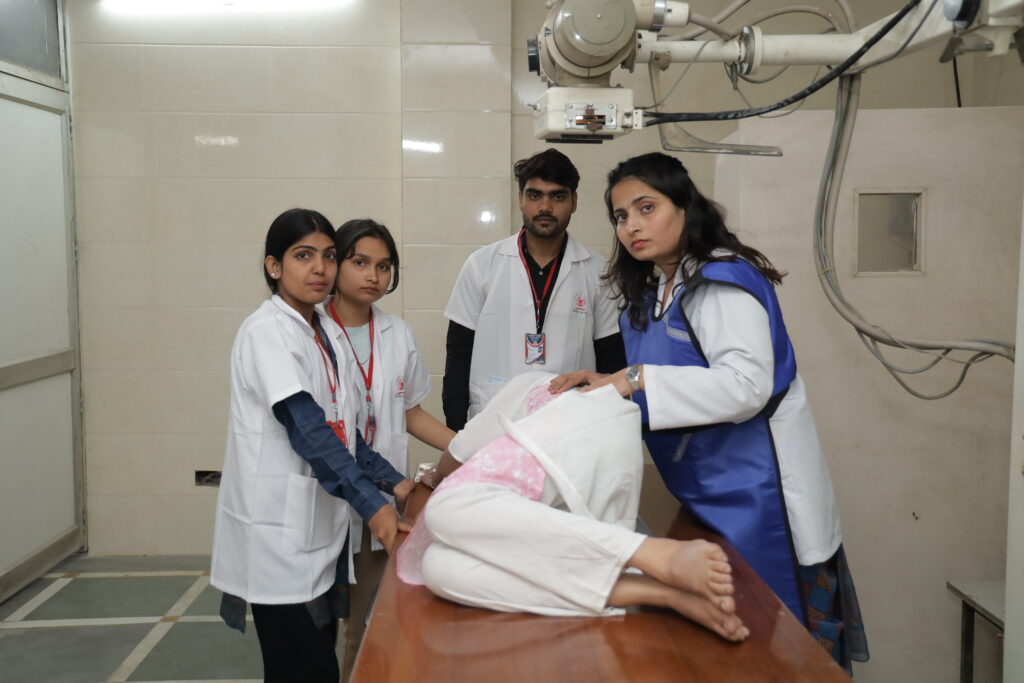
Think about a situation where someone suddenly experiences severe chest pain or meets with an accident. Before treatment begins, doctors first need to understand what is happening inside the body. This is where radiology and imaging technology becomes important.
Using machines like X-ray, CT scan, MRI, and ultrasound, healthcare professionals can see internal injuries, fractures, infections, or organ-related problems without surgery. These images help doctors make faster and more accurate decisions for treatment.
Behind every successful scan is a trained radiology technician who operates the equipment carefully and ensures the images are clear enough for diagnosis.
Today, almost every hospital and diagnostic center depends on imaging technology. From emergency care to routine health checkups, radiology has become one of the most essential parts of modern healthcare.
Why Radiology is Important in Healthcare
Many diseases cannot be diagnosed through physical examination alone. Doctors often need a detailed image of the inside of the body before starting treatment.
For example:
- X-rays help identify bone fractures
- CT scans detect internal injuries and infections
- MRI scans provide detailed images of organs and tissues
- Ultrasound is commonly used during pregnancy and abdominal examinations
Without imaging support, doctors would struggle to diagnose many medical conditions accurately.
This is why radiology technicians are considered an important part of the healthcare system. Their work directly supports doctors, surgeons, and radiologists in patient care.
Growing Demand for Radiology Professionals in India
India’s healthcare industry is growing rapidly, and with that growth comes a rising demand for trained radiology professionals.
Hospitals, trauma centers, diagnostic labs, and multispecialty clinics require skilled technicians to manage imaging services every day. Advanced technologies such as MRI and CT scans are now available not only in major cities but also in smaller towns.
At the same time, the number of trained professionals is still limited compared to the growing healthcare needs. This creates strong job opportunities for students entering the field.
One of the biggest advantages of this career is stability. Healthcare services are always needed, which means trained professionals usually continue to find opportunities even during uncertain times.
What Does a Radiology Technician Do?
A radiology technician works closely with doctors and patients during imaging procedures.
Their responsibilities include:
- Preparing patients for scans
- Explaining procedures in a simple and calm manner
- Positioning patients correctly for accurate imaging
- Operating imaging equipment safely
- Maintaining image quality
- Following radiation safety guidelines
- Assisting radiologists and medical teams
- Keeping patient records properly maintained
The role requires both technical skills and patience because many patients may feel nervous or uncomfortable before scans.
A good radiology technician not only understands machines but also knows how to handle patients with care and professionalism.
Radiation Safety and Patient Care
Safety is a major part of radiology work. Since some imaging procedures involve radiation exposure, technicians are trained to follow strict safety measures.
They learn how to:
- Use protective equipment properly
- Minimize unnecessary radiation exposure
- Maintain imaging machines regularly
- Follow hygiene and infection-control practices
- Ensure patient comfort during procedures
Hospitals take radiation safety seriously, and trained professionals are taught to work within safe exposure limits at all times.
Course Details of Radiology & Imaging Technology
Radiology and Imaging Technology courses are designed to prepare students for real hospital environments.
The programs combine classroom learning with practical clinical training so students gain both theoretical knowledge and hands-on experience.
Course Duration
| Course Type | Duration |
| Certificate Course | 6 Months – 1 Year |
| Diploma Course | 1 – 2 Years |
| Bachelor’s Degree | 3 – 4 Years |
During the course, students learn about imaging equipment, human anatomy, radiation safety, patient care, and diagnostic procedures.
Theory and Practical Training
Theoretical learning helps students understand the medical and technical side of imaging technology.
Subjects generally include:
- Human Anatomy and Physiology
- Radiation Physics
- Imaging Techniques
- Patient Care
- Radiation Protection
Practical training is equally important. Students usually spend several hours in laboratories and hospitals learning how imaging procedures are performed in real situations.
Clinical training may include exposure to:
- X-ray departments
- CT scan units
- MRI departments
- Ultrasound sections
- Emergency imaging services
This practical experience helps students become confident before entering professional work.
Radiology & Imaging Technology Eligibility Criteria & Admission Process 2026
Students who have completed 12th grade with a science background can apply for most radiology and imaging technology courses.
Common Eligibility Requirements:
- 10+2 with Physics, Chemistry, and Biology
- Minimum qualifying marks as required by the institution
- Basic communication ability
- Medical fitness certificate (in some institutes)
Admissions are usually based on:
- Merit in qualifying examinations
- Institution-level entrance tests
- Counseling or interview rounds
Different institutes may follow different admission procedures.
Subjects Covered in Radiology & Imaging Technology
The course is designed to build both technical and clinical understanding.
Major Subjects Include:
- Human Anatomy and Physiology
- Radiation Physics and Protection
- X-ray Imaging Techniques
- CT Scan and MRI Basics
- Ultrasound Technology
- Patient Positioning
- Radiographic Procedures
- Quality Assurance in Radiology
- Clinical and Laboratory Training
Skills Needed to Succeed in This Field
Radiology professionals work in fast-moving healthcare environments, so certain personal and professional skills become important.
Important Skills Include:
- Attention to detail
- Technical understanding of imaging equipment
- Good communication skills
- Calm behavior with patients
- Awareness of radiation safety
- Ability to work in teams
- Problem-solving ability
- Physical stamina for hospital duties
- Willingness to continue learning
Technology in healthcare changes regularly, so continuous skill development is important in this profession.
Career Scope After Radiology & Imaging Technology
Radiology and imaging technology offers strong career opportunities across both government and private healthcare sectors.
Qualified professionals can work in:
- Hospitals
- Diagnostic imaging centers
- Trauma and emergency care units
- Multispecialty clinics
- Research institutions
- Mobile diagnostic services
As healthcare facilities continue expanding across India, the demand for imaging professionals is expected to remain strong in the coming years.
Job Opportunities in 2026
After completing the course, students can work in roles such as:
- Radiology Technician
- X-ray Technician
- CT Scan Technician
- MRI Technician
- Diagnostic Imaging Technician
- Ultrasound Assistant
- Radiology Department Staff
With experience and additional certifications, professionals can move into senior technical or supervisory positions.
Salary After Radiology & Imaging Technology Course
Salary depends on factors such as qualification, experience, location, and workplace.
Average Salary Range in India:
| Experience Level | Estimated Salary |
| Freshers | 1.8 – 2.5 LPA |
| Starting Monthly Salary | 15,000 – 20,000 |
| 5+ Years Experience | 3 – 4.5 LPA |
| Senior/Specialized Roles | 5+ LPA |
Private hospitals and advanced diagnostic centers may offer higher salaries based on skills and experience.
Government and Private Sector Opportunities
Government Sector
Government hospitals and healthcare institutions regularly recruit radiology professionals.
Opportunities are available in:
- AIIMS hospitals
- Railway hospitals
- ESIC healthcare services
- Defence hospitals
- State government medical institutions
Government jobs are preferred by many candidates because of job security, stable income, and long-term benefits.
Private Sector
Private healthcare organizations also provide excellent career opportunities.
Professionals may work in:
- Corporate hospitals
- Diagnostic centers
- Specialized imaging clinics
- Trauma care units
- Multispecialty healthcare chains
The private sector often provides faster exposure to modern technology and career growth opportunities.
Higher Study Options
Students who wish to continue their education can choose advanced study programs such as:
- B.Sc in Radiology & Imaging Technology
- Advanced Diploma Courses
- MRI and CT Scan Certifications
- Master’s Degree Programs
- Specialized Training Courses
Higher qualifications can improve career growth and open opportunities in teaching, research, and specialized imaging departments.
Why Choose Radiology & Imaging Technology?
Radiology and imaging technology is a good career option for students interested in healthcare, technology, and patient care.
Some of the biggest advantages of this field include:
- Strong job demand
- Career stability
- Opportunities in hospitals and diagnostic centers
- Continuous learning and skill growth
- Early employment opportunities
- Respectable healthcare profession
- Direct contribution to patient treatment
For many students, this field offers both financial stability and the satisfaction of working in healthcare services.
Why Choose IPHH for Radiology & Imaging Technology?
IPHH focuses on practical healthcare education and industry-oriented training.
Students receive guidance from experienced faculty members and gain hands-on exposure to imaging technology through practical sessions and clinical training.
The institution also supports internships and placement assistance to help students prepare for professional healthcare environments.
Key Features:
- Experienced faculty with healthcare backgrounds
- Practical learning with imaging equipment
- Clinical exposure in hospitals and diagnostic centers
- Internship support
- Placement assistance
Frequently Asked Questions (FAQs)
Is Radiology & Imaging Technology a Good Career?
Yes. The healthcare sector continues to require trained imaging professionals, making this a stable and growing career option.
What Salary Can I Expect After the Course?
Fresh graduates generally earn between ₹1.8 and ₹2.5 LPA. Salaries increase with experience, specialization, and workplace exposure.
Can I Apply After 12th Grade?
Yes. Students from a science background after 12th can apply for most radiology and imaging technology programs.
Are Government Jobs Available in This Field?
Yes. Government hospitals, railway healthcare services, ESIC hospitals, and medical institutions regularly recruit radiology professionals.
Which Is Better: Radiology or Medical Laboratory Technology?
Both fields offer strong healthcare careers. Radiology focuses more on imaging and patient interaction, while medical laboratory technology focuses on laboratory testing and diagnostics. The better option depends on your interests and career goals.
Keep visiting Institute of Public Health & Hygiene for such beautiful educational blogs. Follow us on Facebook, Twitter, Instagram, YouTube and Linkedin for regular updates.