
Explore Allied Health Science courses, including types, duration, eligibility, career options, job opportunities, and scope after 12th in healthcare.
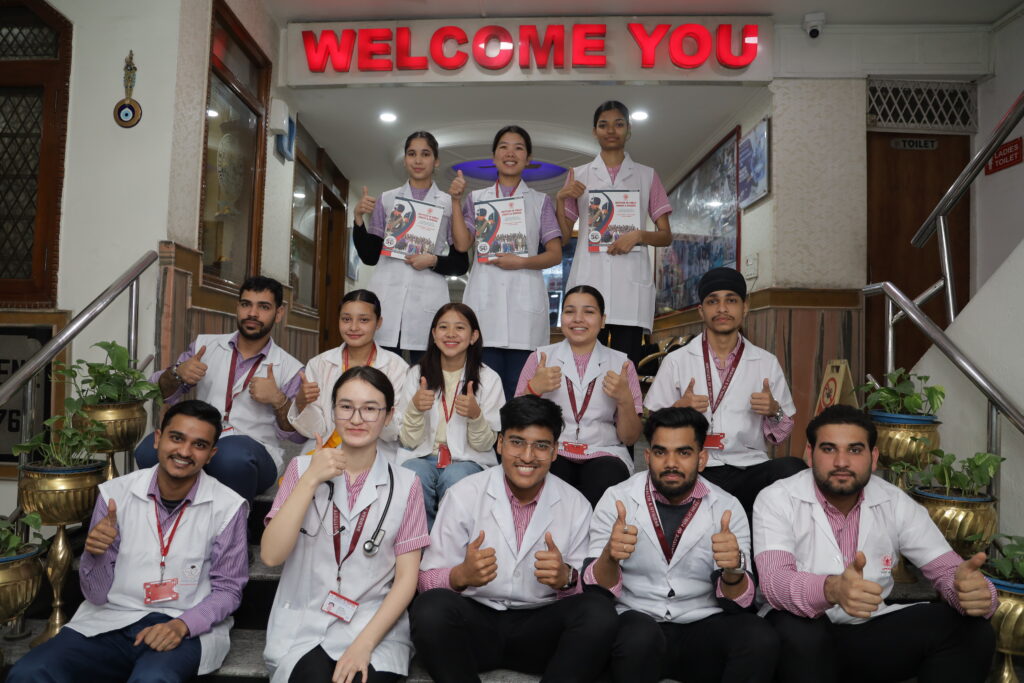
Healthcare is one of the largest and fastest-changing career sectors in the world. While doctors and nurses are an important part of healthcare, a hospital cannot function properly without many other trained professionals. From laboratory testing and medical imaging to physiotherapy, operation theatre assistance and emergency care, several specialists work behind the scenes to support diagnosis, treatment and patient care.
For students who want to build a career in healthcare but are looking for alternatives to traditional medical courses, Allied Health Science courses can offer several interesting career paths. Depending on the course, students can enter areas such as medical laboratory technology, radiology, operation theatre technology, dialysis technology, physiotherapy, optometry, emergency care and other healthcare services.
The Ministry of Health and Family Welfare has described allied and healthcare professionals as people who provide healthcare-related services involving diagnostic, therapeutic, preventive, curative or rehabilitative activities and work as part of multidisciplinary healthcare teams.
In this article, we will discuss types of Allied Health Science courses, course duration, eligibility, admission requirements, career opportunities, job roles and other important information students should know before choosing a course.
What Are Allied Health Science Courses?
Allied Health Science courses prepare students for specialized healthcare roles that support doctors, nurses and other medical professionals. An allied health professional may work directly with patients or may provide important technical services that support diagnosis and treatment. For example, a Medical Laboratory Technologist may examine blood or other clinical samples, while a Radiology and Imaging professional may assist with diagnostic imaging procedures. A physiotherapy professional focuses on movement and rehabilitation, while an Operation Theatre Technologist helps maintain the equipment and environment required during surgical procedures.
In simple words, allied health professionals perform specialized healthcare duties that are essential for the smooth functioning of hospitals, diagnostic centres, rehabilitation facilities and other healthcare organizations. The field covers a wide range of professional groups. Government curriculum documents have included areas such as optometry, physiotherapy, occupational therapy, nutrition sciences, medical laboratory sciences, medical radiology and imaging technology, cardiology and pulmonary technology, renal technology, radiation therapy, surgical and anaesthesia-related technology and trauma care services.
Why Choose an Allied Health Science Course?
Students often think that becoming a doctor or nurse is the only way to build a healthcare career. In reality, healthcare requires professionals with many different skills. Allied Health Sciences can be a good choice for students who:
- Have an interest in healthcare and science
- Enjoy practical and technical work
- Want to work in hospitals or diagnostic centres
- Are interested in medical equipment and technology
- Want a career focused on patient support
- Prefer specialized healthcare roles
- Want to enter the healthcare sector through diploma or degree programmes
- Want to develop skills that can be used in different healthcare settings
Another advantage is the variety of career paths available. A student interested in laboratory work can choose Medical Laboratory Technology, while someone interested in medical imaging may prefer Radiology and Imaging Technology. Similarly, students interested in rehabilitation may explore Physiotherapy or Occupational Therapy.
Types of Allied Health Science Courses
There is no single course called “Allied Health Science.” It is a broad field containing many different specializations. Some popular Allied Health Science courses include:
1. Bachelor of Medical Laboratory Technology (BMLT)
BMLT is designed for students interested in laboratory-based healthcare services.
Students learn about laboratory procedures, sample handling, diagnostic testing, pathology, microbiology, biochemistry and other areas related to medical laboratory work.
Career options include:
- Medical Laboratory Technologist
- Laboratory Technician
- Pathology Laboratory Professional
- Diagnostic Laboratory Assistant
- Quality Control Assistant
BMLT graduates can work in hospitals, diagnostic laboratories, pathology centres, research facilities and healthcare organizations.
2. Diploma in Medical Laboratory Technology (DMLT)
DMLT is a diploma-level programme focused on basic and practical laboratory skills. The course can be suitable for students who want to enter the laboratory sector through a diploma qualification. Students may learn about blood testing, clinical pathology, microbiology, biochemistry and laboratory safety.
Possible job roles include:
- Laboratory Technician
- Medical Laboratory Assistant
- Pathology Technician
- Diagnostic Centre Technician
3. B.Sc. Medical Laboratory Technology
This undergraduate programme provides more comprehensive academic and practical training in medical laboratory sciences. Students may study subjects related to clinical biochemistry, microbiology, pathology, haematology and laboratory techniques. Graduates can explore opportunities in hospitals, diagnostic centres, research laboratories and other healthcare institutions.
4. Radiology and Medical Imaging Technology
Radiology and imaging are important parts of modern healthcare because diagnostic images help healthcare professionals understand different medical conditions. Courses in this field may cover areas related to X-ray, CT, MRI and other imaging technologies, depending on the programme and institutional curriculum.
Career options may include:
- Radiology Technician
- Medical Imaging Technologist
- X-Ray Technician
- Imaging Department Assistant
- CT/MRI-related technical roles, subject to qualification and institutional requirements
5. Operation Theatre Technology
Operation Theatre Technology courses prepare students to support surgical teams and maintain the operation theatre environment. Students learn about surgical instruments, sterilization, infection control, equipment preparation and patient safety procedures.
Career opportunities include:
- Operation Theatre Technician
- Surgical Theatre Technician
- OT Assistant
- Operation Theatre Coordinator
Hospitals and surgical centres require trained professionals who understand the technical and safety requirements of operation theatres.
6. Dialysis Technology
Dialysis Technology is another specialized area within allied healthcare. Students learn about dialysis equipment, patient preparation, infection control, monitoring and other technical aspects of dialysis services. Graduates may find opportunities in:
- Dialysis centres
- Hospitals
- Renal care facilities
- Healthcare institutions
7. Cardiac Care Technology
Cardiac care professionals support healthcare teams in areas related to cardiovascular diagnosis and monitoring. Depending on the programme, students may learn about ECG, cardiac monitoring, equipment handling and other technical procedures. Possible employment areas include cardiac care units, hospitals, diagnostic centres and specialized cardiac facilities.
8. Physiotherapy
Physiotherapy is focused on movement, physical function and rehabilitation. Students learn about exercise therapy, physical rehabilitation and techniques used to help patients improve movement and function. Career opportunities can be found in hospitals, rehabilitation centres, clinics, sports facilities and other healthcare settings, depending on qualification and applicable regulations.
9. Optometry
Optometry focuses on eye and vision care. Students learn about vision assessment, optical instruments, eye-related measurements and patient support. Career opportunities may include optical centres, eye hospitals, clinics and vision-care facilities.
10. Emergency and Trauma Care
Emergency care is an important part of healthcare because patients may require immediate assistance during accidents, injuries or medical emergencies. Courses in emergency and trauma care can introduce students to emergency procedures, patient assessment, first aid, basic life support and other relevant skills. Career opportunities may exist in hospitals, emergency departments, trauma centres and ambulance-related services, depending on qualification.
Allied Health Science Courses After 12th
One of the biggest questions students ask is: Which Allied Health Science courses can I pursue after 12th?
Many undergraduate and diploma-level allied health programmes accept students who have completed Class 12, particularly students from the Science stream. For several science-based healthcare courses, Physics, Chemistry and Biology (PCB) are commonly required subjects. However, eligibility is not identical for every course. Students should always check the specific admission requirements of the institution, university, council or regulatory authority applicable to the course.
Some Allied Health Science Courses students may consider after 12th include:
- BMLT
- B.Sc. Medical Laboratory Technology
- B.Sc. Radiology and Medical Imaging
- Operation Theatre Technology
- Dialysis Technology
- Cardiac Care Technology
- Physiotherapy
- Optometry
- Emergency Care programmes
- Other specialized allied healthcare programmes
The exact availability, duration and eligibility may differ from one institution to another.
Eligibility for Allied Health Science Courses
Eligibility depends on the course and institution. For many undergraduate Allied Health Science programmes, students are generally required to have completed 10+2 with Science subjects. For science-based programmes, PCB may be required or preferred. Some programmes may have additional subject, percentage or age requirements. Diploma programmes can have different eligibility rules.
Certain skill-based healthcare programmes may also accept candidates with different educational backgrounds depending on the specific job profile and curriculum. For example, a government healthcare skill programme for Home Health Aide specifies 10+2 with Science as the minimum educational requirement and includes substantial theory and practical/clinical training. Therefore, students should not assume that the eligibility criteria for one Allied Health course will automatically apply to another.
Duration of Allied Health Science Courses
The duration of Allied Health Science programmes varies according to the qualification and specialization.
Certificate Allied Health Science Courses
Certificate and skill-based programmes can range from a few weeks or months to longer periods depending on the subject and training structure.
Diploma Allied Health Science Courses
Diploma programmes commonly take around 1 to 2 years, although the exact duration varies by course and institution.
Bachelor’s Degree Allied Health Science Courses
Many undergraduate Allied Health Science degree programmes take approximately 3 to 4 years, depending on the programme structure, internship and practical training requirements. For example, the duration of a specific programme may include classroom learning, laboratory practice, clinical exposure and internship. The Ministry of Health and Family Welfare’s curriculum approach places emphasis on practical and clinical exposure as part of allied and healthcare education. Students should therefore consider not only the number of academic years but also the amount of practical training included in the programme.
Diploma vs Degree in Allied Health Science Courses After 12th
Students often have to decide between a diploma and a degree course. A diploma course may be shorter and more focused on practical entry-level skills. It can be suitable for students who want to enter the healthcare workforce sooner. A degree programme, on the other hand, generally provides broader academic education and can offer a stronger foundation for higher studies and career progression.
For example, a student interested in laboratory technology might consider DMLT as a diploma option or BMLT/B.Sc. Medical Laboratory Technology as a degree-level pathway. The right choice depends on the student’s career goals, educational qualifications, time, budget and plans for higher education.
What Do Allied Health Professionals Do?
The responsibilities of allied health professionals depend heavily on their specialization.
A laboratory professional may handle clinical samples and perform laboratory tests.
A radiology professional may operate or assist with diagnostic imaging equipment according to their training and scope of practice.
An OT technologist may prepare instruments and support the surgical team.
A dialysis technologist may assist with dialysis procedures and equipment under the appropriate clinical framework.
A physiotherapy professional may work with patients on rehabilitation and physical function.
An optometry professional may provide vision-related assessment and services within their professional scope.
This variety is one of the major strengths of the Allied Health Sciences field.
Job Opportunities After Allied Health Science Courses
Allied Health Science graduates can explore employment opportunities in several healthcare settings.
Hospitals
Hospitals are among the most common employers of allied health professionals. Depending on the specialization, professionals may work in laboratories, imaging departments, operation theatres, intensive care areas, rehabilitation units, dialysis centres and other departments.
Diagnostic Centres
Medical laboratories and diagnostic centres require trained professionals for testing, imaging and other technical services.
Clinics
Specialized clinics may employ allied health professionals depending on the services they provide.
Rehabilitation Centres
Physiotherapy and rehabilitation-related professionals can work in rehabilitation facilities and other settings focused on improving patient function.
Research Laboratories
Students with appropriate qualifications can explore laboratory-based research and technical positions.
Healthcare Companies
Some allied health professionals may find opportunities with companies involved in medical equipment, diagnostics, healthcare technology and related services.
Public Health and Community Services
Certain allied health professionals may also work in community health programmes, public health projects and healthcare outreach activities, depending on their qualifications and applicable recruitment requirements.
Popular Job Roles in Allied Health Sciences
Some common job titles include:
- Medical Laboratory Technologist
- Laboratory Technician
- Radiology Technician
- Medical Imaging Technologist
- Operation Theatre Technician
- Dialysis Technician
- Cardiac Care Technician
- Physiotherapy Professional
- Optometry Professional
- Emergency Care Technician
- Rehabilitation Assistant
- Healthcare Technician
- Clinical Support Professional
The actual designation, responsibilities and eligibility for employment can vary by employer, qualification and applicable regulations.
Where Can Allied Health Professionals Work?
Allied health professionals can work in a wide range of healthcare environments. These may include:
- Government hospitals
- Private hospitals
- Diagnostic laboratories
- Diagnostic imaging centres
- Specialty hospitals
- Rehabilitation centres
- Dialysis centres
- Emergency care facilities
- Clinics
- Research laboratories
- Healthcare companies
- Community healthcare programmes
- Medical equipment organizations
The work environment depends on the selected specialization.
Skills Needed for an Allied Health Career
Academic knowledge is important, but healthcare employers also look for practical and professional skills.
Technical Skills
Students should understand the equipment, procedures and technologies associated with their specialization.
Communication
Healthcare professionals interact with patients, doctors, nurses, colleagues and families. Clear communication is therefore important.
Teamwork
Allied health professionals work as part of multidisciplinary teams. Good teamwork helps improve coordination and patient care.
Attention to Detail
Small mistakes in healthcare can have serious consequences. Students should develop careful working habits.
Time Management
Healthcare environments can be busy. Professionals need to manage tasks efficiently.
Infection Prevention
Understanding hygiene, sterilization and infection-control practices is particularly important in clinical settings.
Compassion
Even technical healthcare roles may involve regular interaction with patients. A respectful and caring attitude can make the patient experience better.
Is Allied Health Science a Good Career Choice?
Allied Health Science Courses can be a good career option for students who want to enter healthcare and are interested in specialized medical services. The field offers several specializations rather than a single career route. This means students can select a course according to their interests. For example:
Interested in laboratory work?
Consider Medical Laboratory Technology.
Interested in medical imaging?
Explore Radiology and Medical Imaging Technology.
Interested in surgery and hospital procedures?
Operation Theatre Technology may be worth considering.
Interested in kidney care?
Dialysis Technology can be an option.
Interested in rehabilitation?
Physiotherapy may be suitable.
Interested in eye care?
Optometry can be explored.
This specialization-based approach allows students to develop skills for a specific area of healthcare.
Career Growth After Allied Health Science Courses
Career growth depends on many factors, including qualification, practical skills, experience, specialization, employer and further education. Students can consider higher education after completing an undergraduate programme. Depending on the field, they may pursue postgraduate studies, specialized certifications, advanced training or other professional development opportunities.
Higher qualifications can help professionals develop deeper knowledge and may open additional career or academic pathways. Continuous learning is particularly important because healthcare technology keeps changing. New diagnostic equipment, digital systems, treatment techniques and healthcare technologies continue to influence the way healthcare services are delivered.
Allied Health Science Courses and Technology
Technology has become an important part of modern healthcare. Laboratories increasingly use automated testing systems. Imaging departments use sophisticated diagnostic equipment. Hospitals use digital patient records and computer-based information systems. As a result, students entering Allied Health Sciences need both healthcare knowledge and comfort with technology. Learning how to operate equipment safely, maintain accurate records and follow standard procedures can be valuable throughout a professional career.
Importance of Practical Training
One of the most important aspects of Allied Health education is practical exposure.
Healthcare is a practical field. Reading about laboratory testing or medical equipment is not enough. Students need opportunities to understand how procedures are performed in real or simulated clinical environments.
Government curriculum guidance for allied and healthcare education emphasizes clinical exposure and practical learning as important components of professional training.
Students should therefore look for institutions that provide:
- Well-equipped laboratories
- Practical classes
- Clinical exposure
- Internship opportunities
- Demonstration sessions
- Skilled faculty
- Industry or hospital interaction
- Hands-on training
These experiences can help students become more confident when they enter the workplace.
How to Choose the Right Allied Health Course?
Choosing a healthcare course is an important decision. Students should not select a programme only because it is popular. Consider the following questions:
What subject do you enjoy?
If you enjoy biology and laboratory work, Medical Laboratory Technology may be suitable.
Do you prefer technology or patient interaction?
Imaging and laboratory courses may involve more technical work, while rehabilitation-related fields can involve more direct patient interaction.
Do you want a diploma or degree?
Think about your long-term career and education plans before deciding.
What is the practical training available?
Check whether the institution provides sufficient laboratory and clinical exposure.
Is the course recognized and properly affiliated?
Students should carefully check the recognition, affiliation and regulatory requirements applicable to the programme.
What are your future plans?
If you plan to pursue postgraduate education, choose a programme that supports your intended academic pathway.
Admission Process for Allied Health Science Courses
The admission process varies from one institution and programme to another. A typical admission process may include:
- Checking eligibility
- Selecting the course
- Completing the application form
- Submitting educational documents
- Meeting the institution’s admission requirements
- Completing counselling or selection procedures, where applicable
- Paying the required admission fee
- Beginning academic and practical training
Some institutions offer merit-based admissions, while others may follow entrance examinations or other selection procedures. Students should always check the current admission rules before applying.
Documents Generally Required for Admission in Allied Health Science Courses After 12th
Depending on the institution, students may be asked to provide:
- Class 10 certificate
- Class 12 marksheet
- Transfer certificate
- Migration certificate, where applicable
- Passport-size photographs
- Identity proof
- Category certificate, where applicable
- Medical fitness documents, where required
- Other documents specified by the institution
The exact list can vary.
Scope of Allied Health Sciences in India
India’s healthcare system requires a large workforce with different technical and professional skills. Hospitals are not only places where doctors diagnose patients. They depend on laboratories, imaging departments, operation theatres, rehabilitation services, emergency services and many other specialized departments.
This creates the need for trained professionals across different allied healthcare fields. Government curriculum documents have identified numerous allied and healthcare professional groups and have highlighted the need for standardized education and career pathways. As healthcare services continue to develop, students with relevant qualifications and practical skills can explore opportunities across different healthcare settings.
Allied Health Science Courses vs Traditional Medical Courses
Allied Health Sciences and traditional medical education are different career pathways.
A medical degree such as MBBS prepares a student to become a doctor. Allied Health Science programmes prepare students for specialized healthcare roles that support diagnosis, treatment, rehabilitation, prevention or patient care.
This does not mean one field is more important than the other. Modern healthcare depends on teamwork.
Doctors, nurses and allied health professionals work together to provide comprehensive healthcare services.
For students who are interested in healthcare but want a specialized technical or supportive role, Allied Health Sciences can provide an alternative career pathway.
Frequently Asked Questions About Allied Health Science Courses
What are Allied Health Science courses?
Allied Health Science courses prepare students for specialized healthcare roles such as medical laboratory technology, radiology, operation theatre technology, dialysis technology, physiotherapy, optometry and other healthcare services.
Can I pursue Allied Health Science after 12th?
Yes, many undergraduate and diploma-level Allied Health Science programmes are available for students after Class 12. Eligibility varies by course, and many science-based programmes require specific subjects.
Is PCB required for Allied Health Science courses?
PCB is commonly required for many science-based healthcare programmes, but requirements differ between courses and institutions.
How long are Allied Health Science courses?
Course duration depends on the programme. Certificate courses may be short-term, diploma programmes may take around one to two years, and bachelor’s programmes often take around three to four years.
Which Allied Health course is best?
There is no single course that is best for everyone. The right course depends on your interests, academic background, career goals and preferred type of work.
Can Allied Health graduates work in hospitals?
Yes. Depending on their qualification and specialization, allied health professionals can work in hospitals, laboratories, diagnostic centres, rehabilitation facilities and other healthcare organizations.
Are Allied Health courses only for laboratory jobs?
No. Allied Health Sciences covers many areas, including laboratory services, imaging, rehabilitation, emergency care, operation theatre services, dialysis, cardiac care and other specialties.
Is practical training important?
Yes. Practical and clinical exposure is extremely important because allied healthcare professionals need to apply their knowledge safely in real healthcare environments.
Conclusion
Allied Health Science courses offer a wide range of opportunities for students who want to build a career in healthcare. From Medical Laboratory Technology and Radiology to Operation Theatre Technology, Dialysis, Cardiac Care, Physiotherapy, Optometry and Emergency Care, students can choose from several specialized pathways. The duration and eligibility of these courses depend on the programme and institution. Diploma courses may provide a shorter route into selected healthcare roles, while degree programmes can provide broader academic preparation and opportunities for further education.
The most important step is to choose a course based on your interests rather than simply following a trend. Students should check eligibility, course duration, practical training, recognition, affiliation and future career pathways before taking admission. Healthcare needs more than doctors and nurses. It needs trained professionals who can perform diagnostic, technical, therapeutic, rehabilitative and supportive functions with skill and responsibility.
Keep visiting Institute of Public Health & Hygiene for such beautiful educational blogs. Follow us on Facebook, Twitter, Instagram, YouTube and Linkedin for regular updates.