
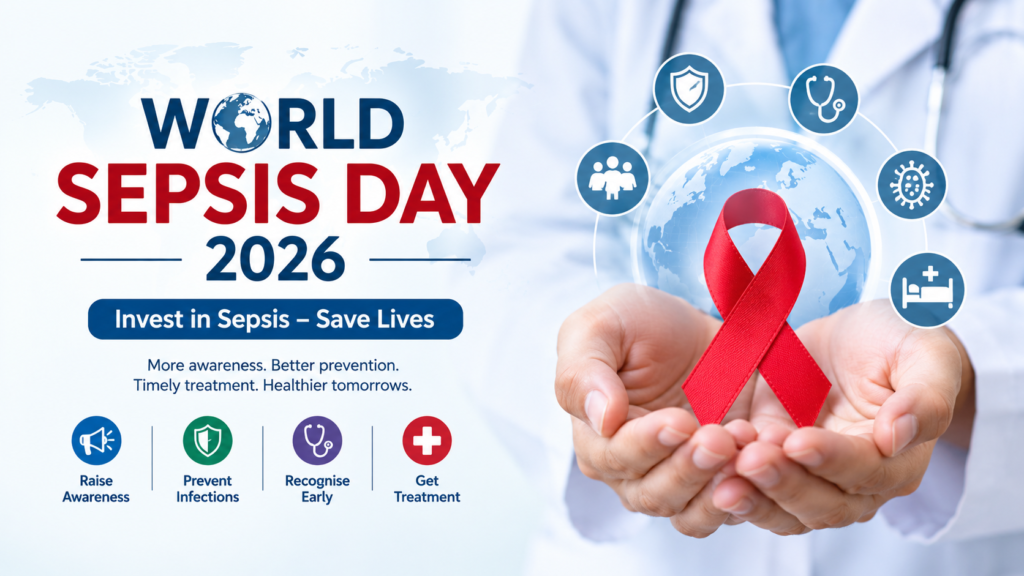
World Sepsis Day 2026 will be observed on September 13 to raise awareness about sepsis, its warning signs, prevention, and the importance of receiving medical care without delay.
Sepsis is a serious medical condition that can develop when the body’s response to an infection causes damage to its own tissues and organs. If it is not identified and treated quickly, it can lead to septic shock, organ failure, and death. For students, healthcare workers, patients, and the general public, World Sepsis Day is an opportunity to understand this serious health problem and learn why early action matters.
When Is World Sepsis Day 2026?
World Sepsis Day 2026 will be observed on Sunday, September 13, 2026. The day is marked every year to increase public understanding of sepsis and encourage better prevention, early recognition, and treatment. Sepsis can affect people of different ages and may occur following infections in different parts of the body. It can develop from infections affecting the lungs, urinary system, abdomen, skin, bloodstream, or other areas.
World Sepsis Day 2026 Theme
The global focus for World Sepsis Day 2026 is “Invest in Sepsis – Save Lives.”
The message highlights the need for greater attention and investment in sepsis prevention, awareness, diagnosis, treatment, healthcare training, and research. Improving knowledge among healthcare professionals and the public can help ensure that warning signs are recognised earlier. The theme also reminds us that fighting sepsis is not only the responsibility of hospitals. Families, communities, healthcare institutions, students, and policymakers all have a role in reducing the impact of this life-threatening condition.
What Is Sepsis?
Sepsis is a potentially life-threatening condition that occurs when the body’s response to an infection becomes harmful. Instead of protecting the body, this abnormal response can cause tissue and organ damage. Sepsis may become worse very quickly. In serious cases, it can result in septic shock, multiple organ failure, and death. This is why recognising possible signs of sepsis and getting urgent medical attention is extremely important. Sepsis is not limited to one particular infection. It can develop from many types of infections, which makes awareness particularly important.
World Sepsis Day 2026 Importance
The importance of World Sepsis Day 2026 comes from the need to make sepsis better understood by both healthcare professionals and the public. Many people may not immediately recognise that a serious infection can become a medical emergency. Increasing awareness can encourage people to take worsening symptoms seriously and seek medical attention at the right time. The day also highlights the importance of:
- Early recognition of sepsis
- Timely medical treatment
- Infection prevention
- Safe and clean healthcare practices
- Appropriate use of antibiotics
- Better healthcare training
- Public awareness
- Research and improved treatment methods
Symptoms and Warning Signs of Sepsis
The signs of sepsis can vary depending on the infection and the person’s condition. Some warning signs may include:
- Fever, chills, or feeling unusually cold
- Fast breathing
- Rapid heartbeat
- Confusion or changes in mental state
- Extreme weakness or unusual sleepiness
- Low blood pressure
- Severe pain or discomfort
- Reduced urine output
- Pale, clammy, or unusually discoloured skin
- Difficulty breathing
These symptoms can also occur with other medical conditions. Therefore, people should not try to diagnose sepsis themselves. If someone has an infection and their condition is getting worse rapidly, urgent medical evaluation is important.
Causes of Sepsis
Sepsis can develop from different types of infections. Common sources may include infections of the:
- Lungs and respiratory system
- Urinary tract
- Abdomen
- Skin and soft tissues
- Bloodstream
- Reproductive system
Certain groups may have a higher risk, including very young children, older adults, pregnant women, and people with certain underlying health conditions or weakened immune systems.
How Can Sepsis Be Prevented?
Not every case of sepsis can be prevented, but several measures can reduce the risk of serious infections and their complications.
1. Maintain Good Hygiene
Regular handwashing and good personal hygiene can help reduce the spread of infections.
2. Follow Vaccination Recommendations
Vaccination can protect against several infections that may otherwise become serious.
3. Take Infections Seriously
A minor infection can sometimes become severe. People should follow medical advice and seek care if symptoms become worse or unusual.
4. Follow Safe Healthcare Practices
Healthcare workers should follow appropriate infection prevention and control practices, including hand hygiene and safe handling of medical equipment.
5. Use Antibiotics Responsibly
Antibiotics should be taken only when prescribed by a qualified healthcare professional. Using antibiotics unnecessarily or incorrectly can contribute to antimicrobial resistance.
Role of Paramedical Students in Sepsis Awareness
Paramedical students can make a valuable contribution to World Sepsis Day 2026. As future healthcare professionals, they can develop the knowledge and practical skills needed to support patients and healthcare teams. Students can participate in:
- Sepsis awareness campaigns
- Health education programmes
- Hospital-based awareness activities
- Poster and presentation competitions
- Community outreach programmes
- Infection prevention activities
- Educational social media campaigns
During clinical training, students can also learn about the importance of observing patients carefully and communicating concerning changes to senior healthcare professionals. They should understand that sepsis requires professional medical assessment and timely treatment. Students should never attempt to independently diagnose or treat a suspected case.
World Sepsis Day 2026 and Healthcare Education
For students planning a career in healthcare, learning about conditions such as sepsis is an important part of professional development. Paramedical courses provide students with knowledge and practical exposure that can help them understand different aspects of patient care. Students in areas such as Medical Laboratory Technology, Radiology, Operation Theatre Technology, Dialysis Technology, Emergency Care, Physiotherapy, and other allied health fields may work alongside doctors, nurses, and other healthcare professionals.
Understanding infection prevention, patient safety, basic warning signs, and effective communication can help future healthcare professionals contribute to better patient care.
World Sepsis Day 2026 Awareness Activities
Educational institutions can organise several activities to mark World Sepsis Day 2026. Colleges and healthcare institutes can conduct:
- Sepsis awareness seminars
- Expert talks
- Poster-making competitions
- Quiz competitions
- Awareness walks
- Health education sessions
- Social media campaigns
- Classroom presentations
- Infection prevention demonstrations
Such activities can make students more aware of sepsis while also spreading useful information among the wider community.
World Sepsis Day 2026 Messages
Here are some simple messages that can be shared on social media:
“Recognise infection, understand the warning signs, and seek timely medical care. Awareness can help save lives.”
“On World Sepsis Day 2026, let us spread knowledge about sepsis and promote early recognition, prevention, and timely treatment.”
“Sepsis can become life-threatening quickly. Stay informed, follow infection prevention practices, and never ignore serious symptoms.”
World Sepsis Day 2026: Key Facts
- Date: September 13, 2026
- Observed: Every year on September 13
- Focus: Sepsis awareness, prevention, early recognition, and treatment
- 2026 theme: “Invest in Sepsis – Save Lives”
- Main message: Early recognition and timely medical care are important in reducing the impact of sepsis.
- Who can be affected: People of all ages, with some groups facing higher risks
- Prevention: Infection prevention, vaccination, safe healthcare practices, and responsible use of antibiotics can help reduce risk
World Sepsis Day 2026 is an important opportunity to increase awareness about a serious but often poorly understood medical condition. Sepsis can progress rapidly, making early recognition and timely professional treatment extremely important. For students at healthcare and paramedical institutions, this day is also an opportunity to strengthen their understanding of infection prevention, patient safety, and responsible healthcare practices. By spreading accurate information and encouraging people to take serious infections seriously, we can build greater awareness and support better health outcomes.
Keep visiting Institute of Public Health & Hygiene for such beautiful educational blogs. Follow us on Facebook, Twitter, Instagram, YouTube and Linkedin for regular updates.