

Learn about Operation Theatre Technology (OTT) course details, eligibility, admission process, career scope, salary, and job opportunities in healthcare.
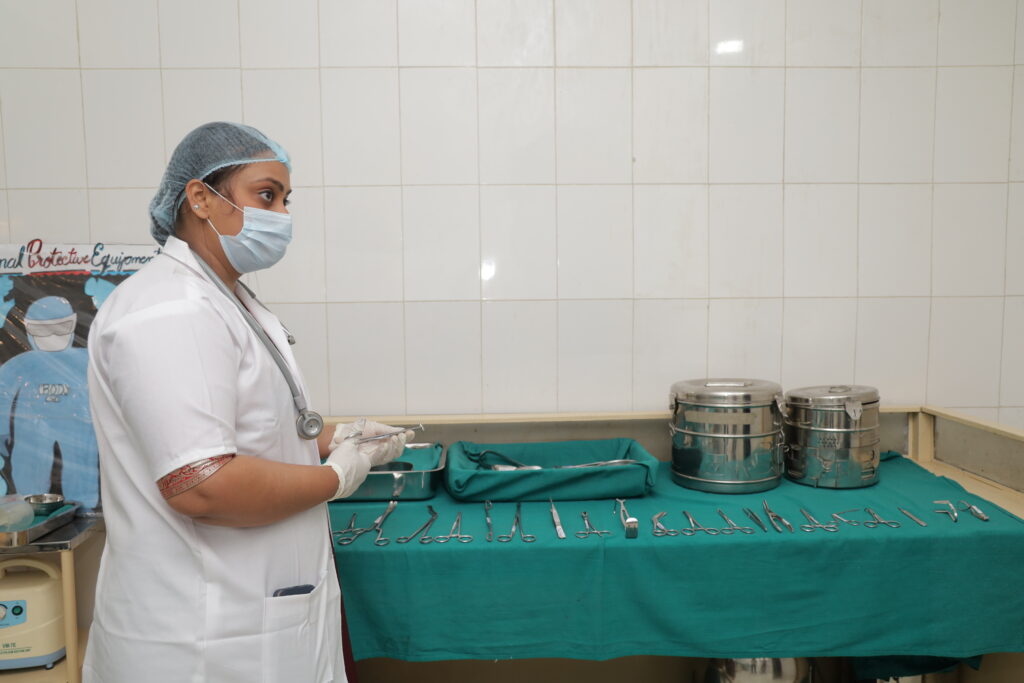
Whenever a surgery takes place, there is an entire team working behind the surgeon to make sure everything goes smoothly. One of the most important members of that team is the Operation Theatre Technician. Before a patient is taken into surgery, the operation theatre has to be completely prepared. Surgical instruments must be sterilized, machines need to be checked, and every item inside the room has to be arranged properly.
OT technicians handle these responsibilities and help create a safe environment for surgery. Most patients may never notice their work directly, but operation theatres cannot function properly without trained OT professionals.
Why OT Professionals Are Important ?
Surgeries require discipline, teamwork, and precision. Even a small mistake inside an operation theatre can create serious complications.
OT technicians support surgeons, nurses, and anesthetists during procedures. They make sure surgical tools are available when needed, equipment is working properly, and hygiene standards are maintained throughout the operation.
Their role is not limited to handling instruments. They are responsible for maintaining order inside one of the most sensitive areas of a hospital.
As healthcare services continue growing in India, hospitals are looking for more trained OT technicians who can work confidently in surgical environments.
What Does an Operation Theatre Technician Do?
An OT technician’s work begins before surgery starts and continues until the procedure is completed.
Their responsibilities usually include:
- Preparing operation theatres before surgeries
- Cleaning and sterilizing surgical instruments
- Arranging surgical tools and equipment
- Assisting surgeons and nurses during operations
- Handling operation theatre machines
- Monitoring supplies during procedures
- Following infection-control protocols
- Supporting patient safety measures
The job requires focus, patience, and the ability to work calmly under pressure.
In emergency surgeries especially, OT technicians must respond quickly and support the medical team without confusion or delay.
Preparing the Operation Theatre
One of the main responsibilities of an OT technician is preparing the operation room before surgery.
This includes:
- Sterilizing instruments properly
- Arranging surgical trays
- Checking lights, monitors, and machines
- Preparing operation tables
- Ensuring all required equipment is available
Everything inside the theater must be clean and organized before the patient arrives. Hospitals follow strict safety and hygiene rules, and OT technicians help maintain those standards every day.
Assisting During Surgery
During operations, surgeons often depend on OT technicians for support.
Technicians may:
- Pass surgical instruments during procedures
- Assist nurses with surgical supplies
- Help maintain a sterile environment
- Support emergency situations inside the OT
- Monitor basic equipment and arrangements
Good coordination becomes very important because surgeries often move quickly and require teamwork from everyone inside the room.
Importance of Sterilization and Safety
Operation theatres must remain highly clean and infection-free.
OT technicians are trained to:
- Handle surgical instruments safely
- Use sterilization equipment correctly
- Prevent contamination
- Follow hospital hygiene protocols
- Maintain patient safety standards
Their work helps reduce the chances of infection and supports safer surgical treatment for patients.
Operation Theatre Technology Course Details
Operation Theater Technology courses are designed to train students for real hospital and surgical environments.
The course usually combines:
- Classroom learning
- Practical laboratory sessions
- Hospital training
- Clinical internships
Students learn about surgical procedures, operation theatre management, infection control, patient care, and medical equipment handling.
Types of Operation Theatre Technology Courses
Students can choose different Operation Theatre Technology course options based on their educational background and career goals.
Operation Theatre Technology Certificate Course
Duration:
6 months to 1 year
Certificate courses mainly focus on basic operation theater assistance and practical OT support skills.
Diploma in Operation Theater Technology
Duration:
1 to 2 years
Diploma programs provide more detailed practical training in surgical support, sterilization, and OT procedures.
Many students choose diploma courses because they help them enter the healthcare field within a shorter time.
Bachelor’s Degree in Operation Theater Technology
Duration:
3 to 4 years
Degree courses offer deeper understanding of:
- Surgical procedures
- Emergency care
- OT management
- Anesthesia support
- Advanced hospital practices
Students also receive clinical exposure through internships and hospital training.
Operation Theatre Technology Eligibility Criteria & Admission Process 2026
Students who have completed 12th with science subjects can apply for most OT Technology courses.
Basic Eligibility:
- 10+2 from a recognized board
- Science stream preferred
- Minimum qualifying marks as required by institutions
- Minimum age generally 17 years
Some colleges offer admission based on:
- 12th marks
- Merit lists
- Entrance exams
- Counseling rounds
Admission rules may differ from one institution to another.
Subjects Covered in Operation Theatre Technology
The course includes both theoretical and practical subjects.
Common Subjects Include:
- Human Anatomy and Physiology
- Surgical Procedures
- Operation Theatre Equipment
- Infection Control
- Sterilization Techniques
- Patient Care
- Basics of Anesthesia
- Emergency Care
- Clinical Training
Practical learning is an important part of the course because students need real experience with surgical setups and equipment.
Skills Needed for Operation Theatre Technology
Students entering this field should be comfortable working in disciplined and fast-moving environments.
Important Skills Include:
- Attention to detail
- Ability to stay calm under pressure
- Team coordination
- Communication skills
- Physical stamina
- Basic technical understanding
- Quick response during emergencies
- Responsibility and discipline
People who can work patiently and carefully usually perform well in operation theatre settings.
Career Scope After Operation Theatre Technology Course
Hospitals and surgical centers continue to require trained OT professionals.
Career opportunities are available in:
- Government hospitals
- Private hospitals
- Trauma centers
- Emergency care units
- Surgical departments
- Multispecialty healthcare centers
As healthcare infrastructure expands across India, the demand for OT technicians is also increasing steadily.
Job Opportunities in 2026
After completing the course, students can work in positions such as:
- Operation Theatre Technician
- Surgical Assistant
- OT Assistant
- Anesthesia Technician
- Emergency Support Staff
- Surgical Department Technician
With experience, professionals can move into senior or specialized OT roles.
Salary After Operation Theatre Technology
Salary depends on experience, skills, hospital type, and location.
Average Salary Range:
| Experience Level | Salary |
| Freshers | 2 – 4.5 LPA |
| Experienced Professionals | 4.5 – 9 LPA |
| Senior Professionals | 9 – 15+ LPA |
Private hospitals and advanced surgical centres may offer better salary packages to experienced professionals.
Government and Private Sector Opportunities
Government Sector
Government hospitals regularly recruit OT technicians.
Opportunities are available in:
- AIIMS hospitals
- Railway hospitals
- ESIC healthcare services
- Defence hospitals
- State government medical institutions
Government jobs are often preferred because of job security and long-term benefits.
Private Sector
Private hospitals and surgical centers also provide strong career opportunities.
Professionals may work in:
- Corporate hospitals
- Trauma care centers
- Surgical clinics
- Emergency departments
- Multispecialty hospitals
The private sector usually offers faster exposure to advanced surgical technologies and career growth opportunities.
Higher Study Options After Operation Theatre Technology Course
Students who want to continue their education after OTT can pursue:
- B.Sc. in Operation Theatre Technology
- Advanced diploma programs
- Specialized surgical certifications
- Hospital management courses
- Master’s degree programs
Higher studies can help students move into senior technical, teaching, or management roles later.
Why Choose Operation Theatre Technology Course?
Operation Theatre Technology is suitable for students who:
- Want to work in healthcare
- Are interested in surgical environments
- Prefer practical work over desk jobs
- Can work responsibly under pressure
- Want stable career opportunities
Although OT technicians usually work behind the scenes, their role remains important in every successful surgery.
Why Choose IPHH for Operation Theatre Technology Course?
IPHH focuses on practical healthcare education and clinical training.
Students receive hands-on experience with operation theater equipment and gain exposure to real hospital environments through internships and practical sessions.
The institution also supports students with placement guidance and industry-focused training.
Key Features:
- Experienced faculty with hospital exposure
- Practical OT training
- Clinical internship opportunities
- Modern healthcare learning environment
- Placement assistance
FAQs
Is Operation Theatre Technology a good career?
Yes. Hospitals and surgical centres continue to require trained OT professionals, making it a stable healthcare career option.
What is the salary after this course?
Freshers generally earn between ₹2 and ₹4.5 LPA. Salary increases with experience and technical skills.
Can I do this course after 12th?
Yes. Students who have completed 12th, especially with science subjects, can apply for OT Technology courses.
Are government jobs available in this field?
Yes. Government hospitals and healthcare institutions regularly recruit OT technicians.
Which is better: OT Technology or Radiology?
Both fields offer good career opportunities in healthcare. OT Technology focuses more on surgical support, while radiology focuses on diagnostic imaging and scanning procedures. The better choice depends on personal interest and career preference.
Keep visiting Institute of Public Health & Hygiene for such beautiful educational blogs. Follow us on Facebook, Twitter, Instagram, YouTube and Linkedin for regular updates.